

Mastering Smarketing: Aligning Sales & Marketing for B2B Success
In today’s B2B tech world, every business is fundamentally a connections business. Success hinges not just on having a cutting-edge product or service, but on the relationships you build with customers, partners, and prospects. In a landscape defined by complex buyer journeys and long decision cycles, creating and nurturing meaningful connections sets successful brands apart.
At the heart of these connections are your sales and marketing teams. How well they work together can make or break your growth strategy. This is where Smarketing comes into play—a powerful approach that unites sales and marketing to foster stronger connections, align goals, and create a seamless, customer-centric experience. For B2B tech brands, where trust and partnership are crucial, Smarketing is the key to sustainable growth.
What is Smarketing?
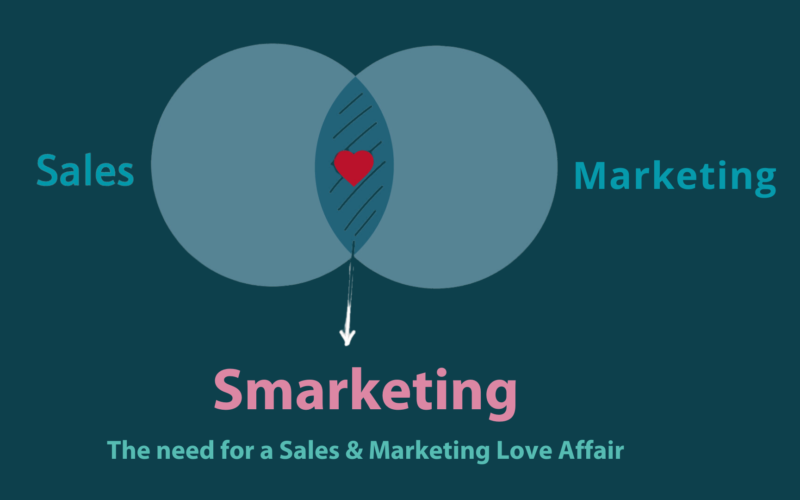
Smarketing is the strategic alignment of sales and marketing, ensuring both teams collaborate, share goals, and measure success with the same metrics. It’s about breaking down silos to create a unified strategy that enhances customer acquisition, improves lead conversion, and accelerates revenue growth.
Instead of operating in isolation, sales and marketing teams work together, sharing insights, data, and feedback to ensure a consistent message throughout the buyer’s journey. This alignment builds trust, strengthens connections, and helps convert leads into loyal customers.
Why is Smarketing Crucial for B2B Tech Brands?
1. Unified, Customer-Centric Messaging
Complex technologies require clear, consistent messaging that prospects can relate to. When sales and marketing are aligned, they speak with one voice, delivering a seamless, customer-focused message at every touchpoint. This consistency builds trust and strengthens your brand’s connection with your audience.
2. Faster Sales Cycles
High-quality leads and a streamlined lead qualification process help accelerate the buyer’s journey. Smarketing lets sales focus on closing deals instead of chasing unqualified leads, shortening the sales cycle and fostering stronger connections.
3. Data-Driven Personalisation
When sales and marketing share customer insights, both teams gain a deeper understanding of buyer behaviour, pain points, and needs. This allows marketing to create more targeted campaigns, while sales can personalise outreach, leading to higher conversion rates and more meaningful customer relationships.
4. Enhanced Product Feedback Loops
In the tech industry, customer feedback is invaluable. By aligning sales and marketing, valuable insights from customer interactions flow directly back into product development and marketing strategies, ensuring your offerings stay in tune with market needs.
5. Optimised Content and Campaigns
Without input from sales, marketing content can miss the mark. Smarketing ensures that content is crafted to address real-world customer concerns, making your marketing materials more relevant and effective in driving conversions and building trust.
6. Greater Agility and Adaptability
The tech world evolves rapidly. A strong Smarketing framework enables your company to pivot quickly, adjusting both marketing campaigns and sales strategies to respond to changing trends and customer demands.
B2B Tech Brands Thriving with Smarketing Alignment
Here are some real-world examples of how Smarketing has driven growth for leading B2B tech brands:
HubSpot: Pioneers of Inbound Marketing
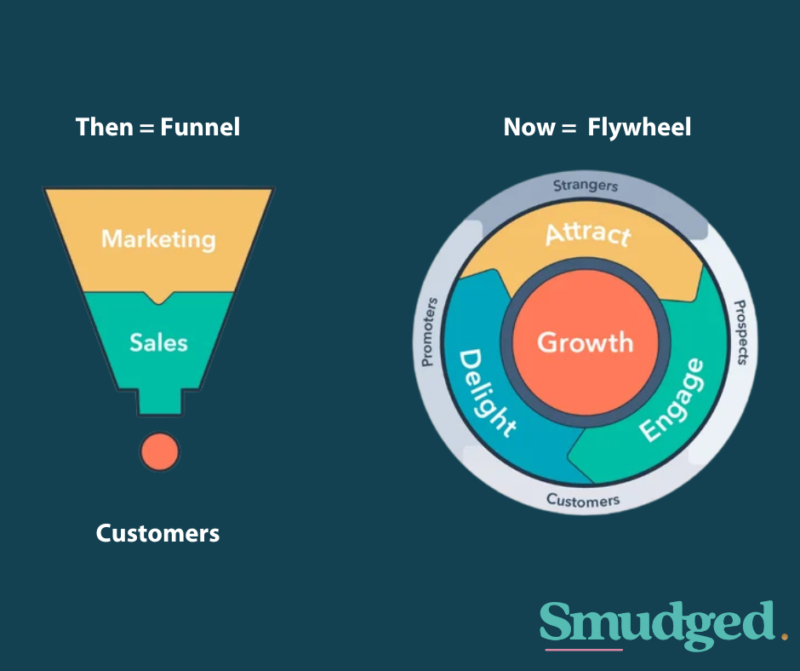
HubSpot has set the standard for Smarketing by ensuring seamless collaboration between their sales and marketing teams. By sharing insights and aligning around common objectives, they’ve created a unified approach that consistently delivers high-quality leads. This strategy has not only accelerated their sales cycles but has also established HubSpot as one of the most recognised names in the marketing software industry.
Salesforce: Creating a Seamless Customer Journey
Salesforce leverages a strong Smarketing strategy, grounded in detailed customer data and analytics. By perfectly aligning sales and marketing efforts, they maintain consistent standards for lead quality and engagement. This cohesion has streamlined their lengthy sales cycles, enhancing the customer experience and solidifying their reputation as a reliable partner in the tech industry.
Smudged & HWM: A Case Study in Smarketing Success
Smudged collaborated with HWM, a leader in environmental tech, to address challenges related to fragmented messaging and disconnected sales and marketing efforts. Through a targeted Smarketing strategy, Smudged brought the teams into alignment, developed customer-centric content, and established clear communication channels.
Key Results:
- 40% Increase in Lead Quality: The alignment allowed the sales team to focus on the right prospects, resulting in a significant improvement in lead quality.
- Consistent Messaging: Unified messaging enhanced HWM’s brand credibility, building greater trust with customers.
- 25% Faster Sales Cycle: A more efficient handoff from marketing to sales sped up the sales cycle, leading to quicker conversions and better overall results.
These examples show the tangible benefits of aligning sales and marketing efforts, demonstrating how Smarketing can drive substantial growth for B2B tech brands.
How to Implement Smarketing in Your B2B Tech Company
Successfully implementing Smarketing goes beyond aligning goals. It involves actionable steps that ensure both teams work together seamlessly:
1. Define a Shared Lead Qualification Process
Make sure both teams agree on what constitutes a qualified lead. A clear definition helps marketing focus on the right prospects while sales can engage them at the right moment.
2. Establish Shared Goals and KPIs
Create common goals for both teams, such as revenue targets, lead generation, and conversion metrics. This alignment fosters accountability and collaboration.
3. Leverage Technology for Collaboration
Use CRM systems and marketing automation tools to track lead progress, share insights, and align strategies in real time, ensuring everyone is on the same page.
4. Hold Regular Cross-Team Meetings
Encourage consistent communication by scheduling regular meetings between sales and marketing. These sessions can review performance, share feedback, and realign strategies as needed.
5. Invest in Ongoing Training
Provide joint training for both teams to ensure they stay updated on customer needs, product developments, and market trends. This fosters mutual understanding and a collaborative mindset.
Transformative Benefits of Smarketing for B2B Tech Companies
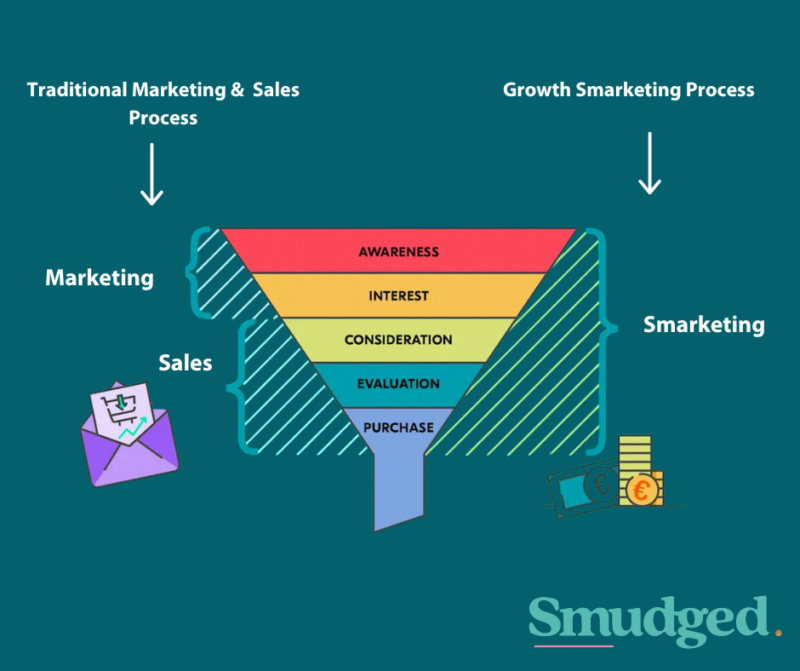
When implemented effectively, Smarketing offers transformative benefits for B2B tech brands, driving not just revenue but long-term growth and loyalty:
1. Higher Lead Quality and Conversion Rates
With clear definitions and shared goals, marketing can focus on high-quality leads, while sales converts them efficiently. This alignment boosts both lead quality and conversion rates.
2. Seamless Customer Experience
Smarketing creates a unified customer journey, with consistent messaging at every stage. This builds trust and leads to higher customer satisfaction and retention.
3. Increased ROI
By aligning around shared revenue goals, Smarketing improves efficiency, optimizes budget allocation, and drives better results, leading to a higher ROI for your business.
Stronger Collaboration and Company Culture
One often overlooked benefit of Smarketing is its positive impact on company culture. When sales and marketing teams work together towards common goals, it fosters a culture of collaboration, mutual respect, and shared accountability. This cultural shift improves performance and enhances the work environment.
Benefits Include:
Reduced Internal Competition: By breaking down silos, Smarketing replaces internal competition with a shared mission to drive growth, creating a more cohesive, team-oriented workplace.
Cross-Department Innovation: Regular interaction uncovers new ways to approach the market or refine products based on collective insights.

Final Thoughts: Why Smarketing is the Future of B2B Growth
Smarketing is more than a strategy; it’s a mindset that prioritises alignment, collaboration, and shared goals between sales and marketing. For B2B tech companies, where complex products, long sales cycles, and multiple stakeholders are the norm, adopting Smarketing can be the difference between stagnation and sustained growth.
In a world where connections matter more than ever, Smarketing offers a path to deeper engagement, trust, and loyalty. It’s about building real, lasting relationships that drive not just short-term wins but long-term success.
Ready to Unlock the Power of Smarketing?
Take the first step towards a more aligned and effective growth strategy. Join our upcoming webinar to learn practical steps to harmonise your sales and marketing efforts, build stronger connections, and position your brand for sustainable success. Don’t miss the chance to transform your approach—reserve your spot today!
Or, if you’re ready to dive deeper into Smarketing for your business, book a consultation with us and let’s explore how we can support your unique growth goals.
Newsletter
Stay in the loop. Get the latest thinking, insights, and strategies to help your business grow, delivered straight to your inbox